Andy Hobbs
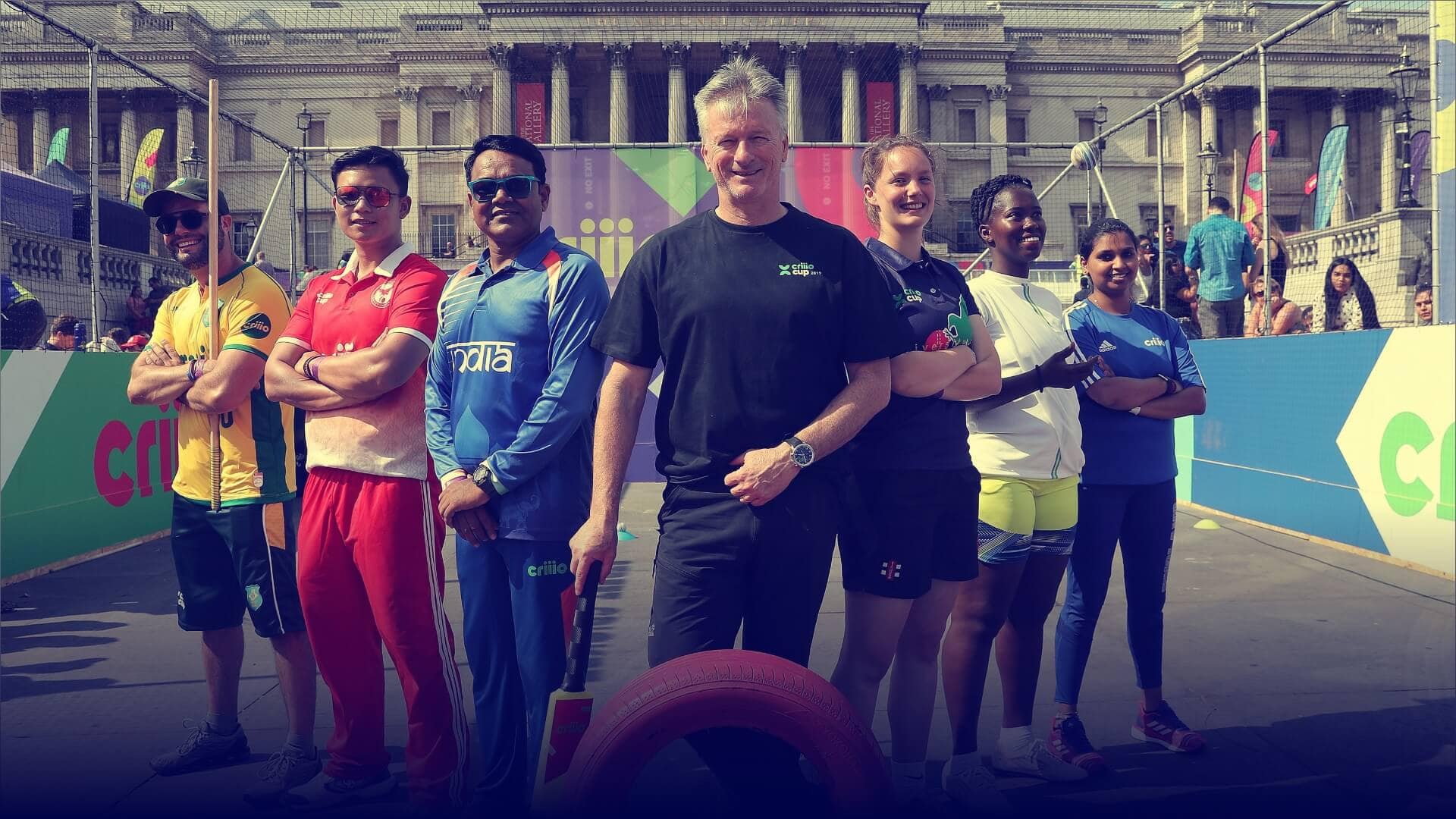
international cricket council (icc)
It’s been an absolute pleasure to work with TechAhead team through this
project. I know you have all gone way over and above to deliver the app
to the right quality, and the team has collectively added value at each
stage.
Read Case Study
Steve Gurr
Regional COO, AXA
TechAhead is a team that can scale fast. You can rely on them for their
technical skills. The management is willing to invest in the partnership
and meet the requirements. They work really hard and they will do what
they have to do to meet the deadlines.
Read Case Study
Rich Moore
We value your responsiveness and the fact that you tackle every request
with a can-do attitude.
Read Case Study


Sam Griffiths
VP PRODUCT & ENG., LOADUP
TechAhead's work has met and exceeded our expectations. The team has
top-notch design and research skills and a thoughtful approach.
Read Case Study
Robert Freiberg
Founder of CDR
They have been extremely helpful in growing and improving CDR.
Read Case Study
Michelle & Sarah
PM-International
Thank you for all the good work and professionalism. Thank you for
always being available.
Read Case Study
Allan Pollock
You delivered exactly as promised.
Read Case Study
Nate Silva
I'm so excited to be working with you all.
Read Case Study
Akbar Ali
CEO
Because of their superb work, we were able to get the best app award by
Google for the year 2024 in the personal growth category.
Read Case Study
Topaz Adizes
CEO & Founder
I would recommend you to any future clients!
Read Case Study
Miles Bowles
PUL, Chief Product Officer
You guys helped us through challenging times as a company!
Read Case Study
Devin Tustin
Alliance Communication Services, President
You're a great team and I'm very happy with the product you guys
produced!
Read Case Study
Victoria Lladoc
Head of Marketing
They helped us develop an app that's gonna change a lot what we do in
our business!
Read Case Study
Karim Sadik
Founder & CEO
We wouldn't be anywhere close to where we are today without your problem
solving skills!
Read Case Study
Sarah Stevens
Ornamentum, Founder & CEO
I don’t need to wish you all the best, because you are the best!
Read Case Study
Camille Watson
Jeanette’s Healthy Living Club, DOP
You guys are the best and we look forward to celebrating a continue
partnership for many more years to come!
Read Case Study
Vishal Kumar
CEO & Co-Founder
You've helped us through all ups and downs!
Read Case Study
Al Romero
Boxlty, Co-Founder
Awesome product you guys have created!
Read Case Study
Parker Green
Co-Founder
You guys know what you're doing! You're smart and Intelligent.
Read Case Study
Sherry Dang
Leeva, Founder & CEO
Shout out to you, Great Job Team!
Read Case Study
Regionald Dixon
They make the project their own. I wouldn’t have no other person working
on this project but TechAhead.
Read Case Study
Anna McKeogh
We’re in the beginning stages of developing our app and website, but the
team has been fantastic so far.
Read Case Study
Dmitriy Anderson
CIO, Leroy Merlin South Africa
TechAhead developed our cross-platform eCommerce app and integrated it
with our existing systems. Over time, communication, planning, and
accountability improved significantly. Their collaborative approach made
them feel like a true extension of our team.
Upasna Madan
GM Marketing, DLF Hospitality
They built a cloud-based CMS for our real estate business with 36
reusable components, enabling us to rebuild our website efficiently.
We’re impressed with their technical depth, responsiveness, and ability
to absorb feedback.
Philip Cody
Founder, Bundle
TechAhead delivered robust app functionality for our iOS and Android
firewood marketplace app. The team remained patient through multiple
iterations, while their proactive customer success manager anticipated
our needs, ensuring a smooth workflow throughout.
Dexter Williford
Owner, Smox Trimsetters llc
We’re truly impressed with TechAhead’s professionalism. They explain
exactly what’s going on‑there’s no runaround‑and every delivery amazes
us. Our application has received positive user feedback, and working
with their team has been a well-managed experience.
Nikolay Volper
CEO, HubQ.ai
We partnered with TechAhead to design and develop our iOS and Android
app using React Native, alongside web design and development support.
They delivered high-performance work, consistently impressing us with
their ability to explore and implement new technologies.
Jeffrey Hinz
CEO, Phthalo Inc.
I’m impressed with TechAhead’s professionalism ‑ clear explanations, no
runaround, and consistently amazing deliveries. My customers love the
app’s functionality, and working with the team has been smooth,
transparent, and truly top-tier.
Christen Medulla
This platform has been our dream. And watching your team turn it into
reality has been amazing.
Read Case Study





 ENTERPRISE AI & PRODUCT ENGINEERING PARTNER